
Fix More, Toss Less: The Joy of Making Things Last

Let’s celebrate practical ingenuity and cut clutter by helping our possessions live longer. Today we explore Home Repair Culture: Extending Lifespans to Cut Clutter and Waste, mixing stories, how‑tos, and community spirit. Discover how small fixes restore value, reduce spending, and protect the planet while building confidence and connection at home. Share your repair wins, subscribe for monthly checklists, and join a growing movement that replaces throwaway habits with patient care.

A Mindset for Longevity and Stewardship

Lasting homes begin with curiosity, not consumption. When we pause before replacing, we notice how things are built, why they fail, and what maintenance would prevent future breakdowns. This shift reduces clutter, stretches budgets, and honors materials already extracted. It also cultivates pride, patience, and neighborly exchange, turning repair into a meaningful ritual rather than a chore demanded by guilt or scarcity.

From Quick Replacement to Curious Diagnosis

Begin every fix by asking simple questions: what changed, when did symptoms appear, and can you reproduce the fault safely? Observing patterns—heat, vibration, moisture—often reveals root causes. Keeping a notebook turns scattered guesses into testable hypotheses and saves time.
Creating a Repair Ritual at Home

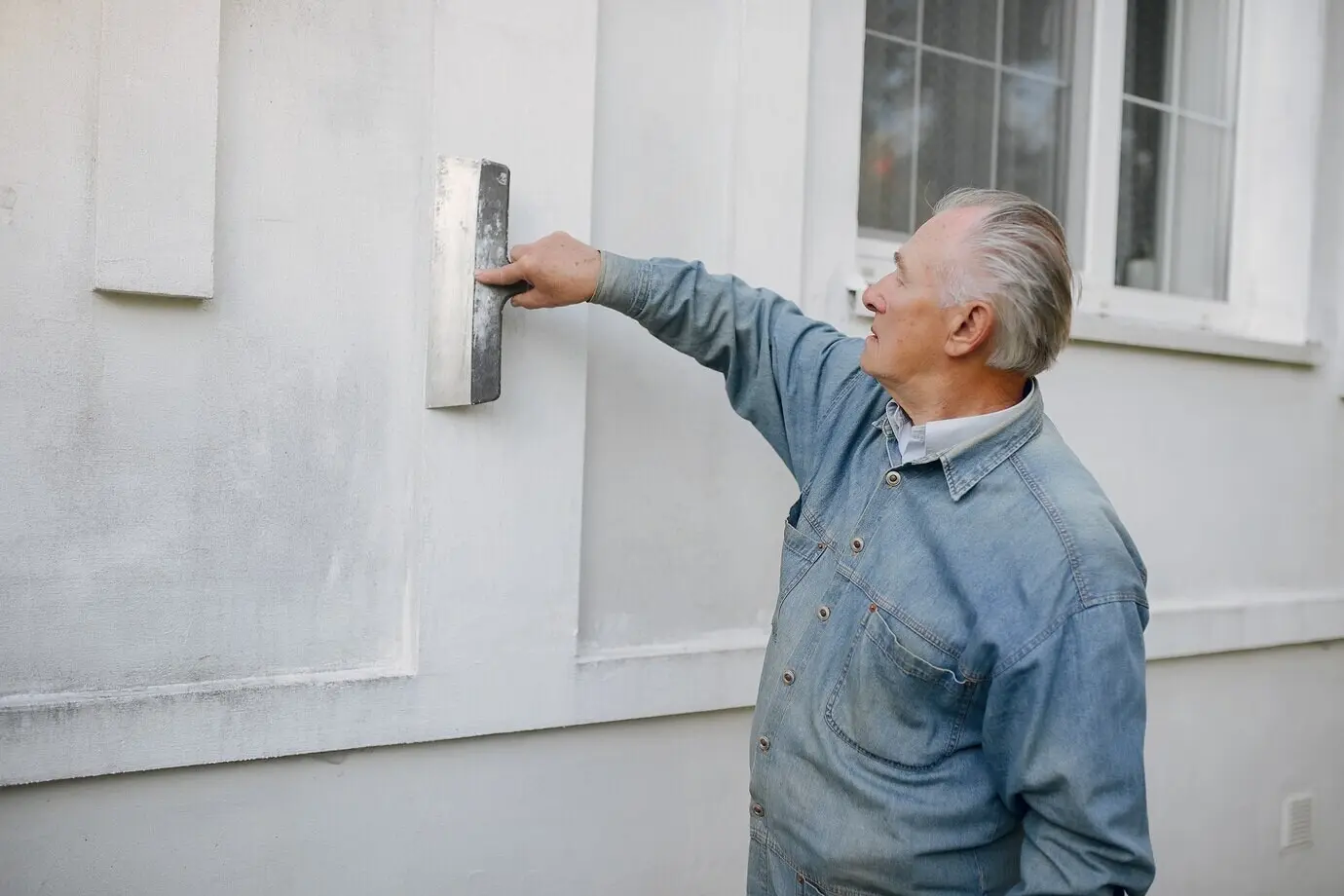
Set a weekly hour with a clear table, good light, and a small playlist. Place a mat, magnet tray, and recycling bins nearby. A predictable ritual lowers friction, makes mess acceptable, encourages family participation, and transforms tiny victories into momentum.

Teaching Kids to Mend and Maintain

Invite children to tighten knobs, oil squeaks, and patch backpacks with supervision. Emphasize safety glasses, unplugging, and proper tool handling. Celebrate questions and mistakes. Early, positive experiences nurture confidence, reduce fear of failure, and seed lifelong stewardship rooted in care.

Five Tools that Solve Most Problems

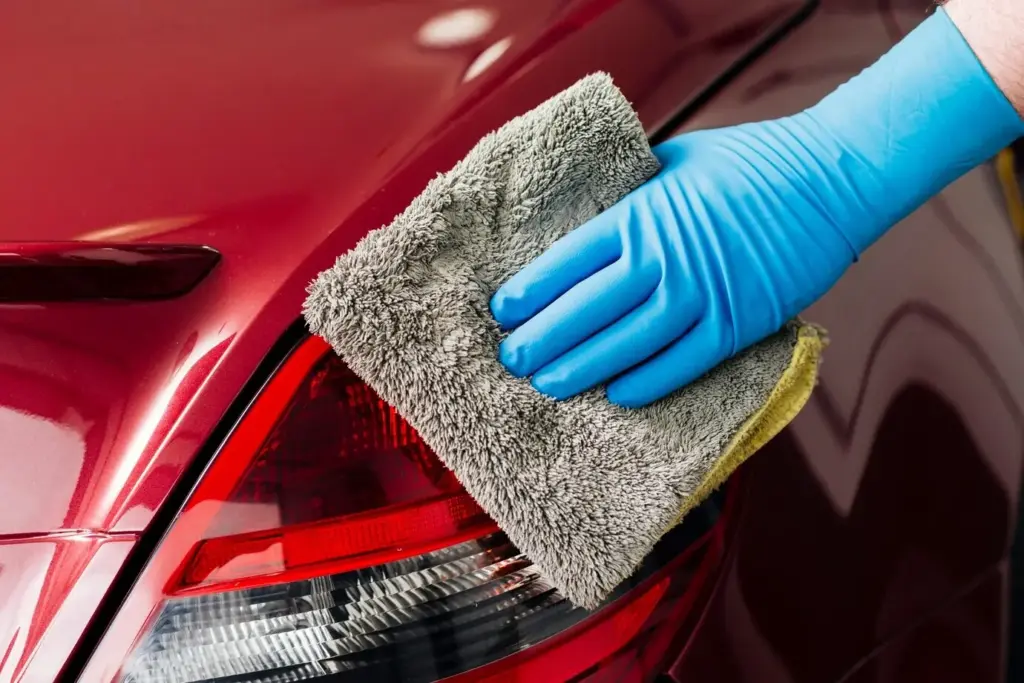
Choose quality over quantity: a precision driver set, locking pliers, adjustable wrench, headlamp, and a digital multimeter. Combined with patience and reference photos, these tackle loose hardware, intermittent power, leaks, and alignment. They fit a backpack yet handle surprisingly complex situations.

Reading Manuals, Labels, and Schematics

Treat paperwork as a map. Before disassembly, scan labels, wiring diagrams, and exploded views. Photograph steps and note torque, polarity, and sequence. Recognizing symbols and safety warnings prevents damage, speeds reassembly, and turns intimidating devices into understandable systems you can confidently service.

Knowing When to DIY or Call a Pro

Safety and complexity set boundaries. Gas leaks, structural damage, and main electrical panels demand licensed help. If a fix risks fire, flooding, or injury, stop. Otherwise, start small, price parts, set time limits, and learn progressively with support from trusted communities.

Tools and Skills that Stretch Every Dollar

Start with a compact kit, not a hardware store’s worth of gear. A good screwdriver set, pliers, utility knife, multimeter, tape, epoxy, lubricants, and safety basics will solve most issues. Learn measurement, fastener types, material properties, and safe power use to unlock exponential capability.

Visible Repairs as Personal Expression

Choose contrasting thread, sashiko patterns, or embroidered outlines to celebrate longevity. Each repair records a day saved from landfill and a story worth retelling. Friends notice, ask questions, and sometimes request lessons, spreading skills organically through admiration rather than lectures or guilt.

Reviving Linens, Cushions, and Upholstery

Sun, friction, and spills punish soft furnishings. Vacuum seams, rotate cushions, and spot‑clean quickly. Replace zippers, add new foam, and restitch failed seams before they tear wider. Small, timely interventions preserve comfort, prevent bulky waste, and freshen rooms without buying anything unnecessary.

Footwear Care that Doubles Lifespan

Brush dirt after each wear, dry away from heat, and use cedar shoe trees. Replace heel caps and insoles early; add protective soles where appropriate. A respectful routine keeps feet comfortable, reduces odors, and delays replacement by seasons rather than weeks.

Electronics and Small Appliances: Smart, Safe Fixes

E‑waste grows fast, yet many devices fail for simple reasons: dust, bad connections, tired batteries, or stressed cables. Careful cleaning and replacement of consumables rescue countless gadgets. Respect capacitors, use antistatic precautions, and document steps so future maintenance becomes easier and safer.

Furniture, Woodwork, and Household Fixtures

Chairs wobble, doors squeak, and shelves sag long before they fail. Dry‑fit parts, label hardware, and use proper adhesives instead of over‑tightening screws. Gentle refinishing protects surfaces without erasing character. Small corrections prevent costly replacements and keep bulky items out of the landfill.

Community, Sharing, and Measurable Impact

Repair grows stronger together. Host local meetups, trade tools, and teach skills. Track items rescued, waste avoided, and money saved to stay motivated. Stories inspire neighbors and counter planned obsolescence. Subscribe for monthly challenges, printable checklists, and opportunities to volunteer or seek thoughtful help.
Qerunavolixaptiranlo
Privacy Overview

This website uses cookies so that we can provide you with the best user experience possible. Cookie information is stored in your browser and performs functions such as recognising you when you return to our website and helping our team to understand which sections of the website you find most interesting and useful.